
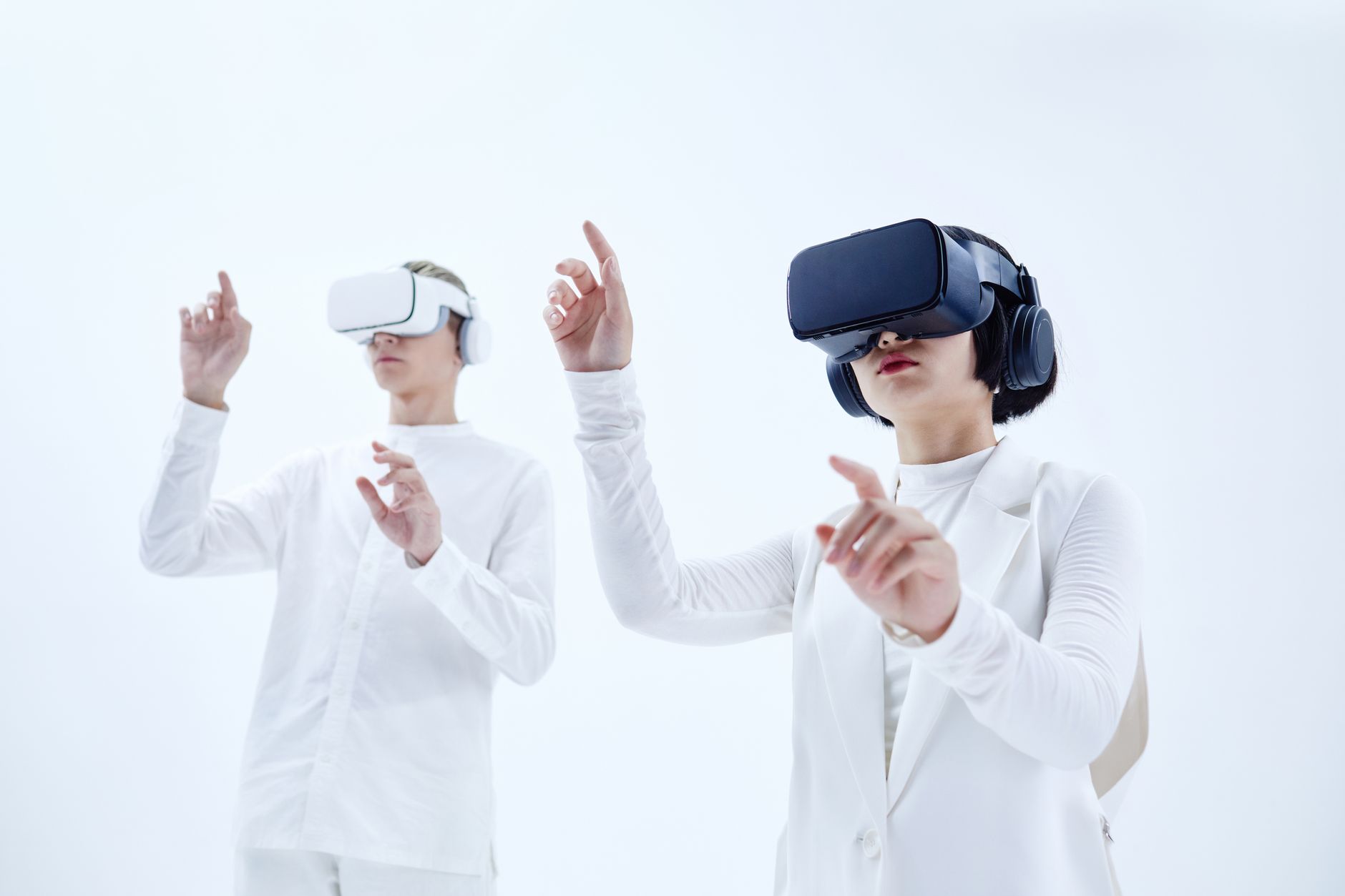
Photo by Michelangelo Buonarroti on Pexels
Introduction to the AR/VR Headset Market
The Augmented Reality (AR) and Virtual Reality (VR) headset market has been steadily growing over the past few years, with more and more companies entering the space. As a result, the market has become increasingly complex, with a wide range of products and technologies available. In this article, we'll take a closer look at how the AR/VR headset market actually works, including the key players, technologies, and trends that are shaping the industry.The Key Players in the AR/VR Headset Market
The AR/VR headset market is dominated by a few key players, including Oculus (owned by Facebook), HTC, and Sony. These companies have been at the forefront of the industry, developing and releasing a range of high-end headsets that offer advanced features and capabilities. Other notable players in the market include Microsoft, Google, and Samsung, which are also investing heavily in AR/VR technology.- Oculus has been a major player in the VR headset market, with its Rift and Quest headsets offering high-end VR experiences.
- HTC has been focusing on the enterprise market, offering high-end VR headsets and solutions for businesses and organizations.
- Sony has been a major player in the console gaming market, and its PlayStation VR headset has been a popular choice for gamers.
# The Technologies Behind AR/VR Headsets
AR/VR headsets use a range of technologies to create immersive and interactive experiences. These include:- Display technology: AR/VR headsets use advanced display technologies, such as OLED and LCD, to provide high-resolution and high-frame-rate visuals.
- Tracking technology: AR/VR headsets use tracking technologies, such as optical and inertial tracking, to track the user's head and hand movements.
- Audio technology: AR/VR headsets use advanced audio technologies, such as 3D audio and spatial audio, to provide an immersive audio experience.
- Software: AR/VR headsets run on a range of software platforms, including Windows, Android, and proprietary operating systems.
The Market Mechanism
The AR/VR headset market is driven by a range of factors, including technological advancements, consumer demand, and competition among manufacturers. The market mechanism can be broken down into several key components, including:- Supply and demand: The AR/VR headset market is driven by supply and demand, with manufacturers producing headsets to meet consumer demand.
- Pricing: The pricing of AR/VR headsets is a key factor in the market, with high-end headsets typically priced at a premium.
- Marketing and advertising: Manufacturers use marketing and advertising to promote their headsets and attract consumers.
- Distribution and sales: AR/VR headsets are sold through a range of channels, including online retailers, physical stores, and manufacturer websites.
# Real-World Examples
The AR/VR headset market is full of real-world examples of how the market mechanism works. For example, the rise of standalone VR headsets has led to increased competition in the market, with manufacturers such as Oculus and HTC releasing high-end headsets that don't require a PC or console to operate.Another example is the use of AR/VR headsets in enterprise applications, such as training and education. Companies such as Walmart and UPS are using AR/VR headsets to train employees and improve operational efficiency.
Code Snippets and Technical Details
For developers and manufacturers, the AR/VR headset market is all about the technical details. For example, the Oculus Quest headset uses a combination of C++ and Java to run its operating system and applications. The headset also features a range of APIs and SDKs, including the Oculus API and the Unity SDK, which allow developers to create custom applications and experiences.Here is an example of how to use the Oculus API to create a simple VR application:
```c
#include
int main() { // Initialize the Oculus API ovrInitParams params = {0}; params.Flags = ovrInit_Flag_Debug; ovrResult result = ovr_Initialize(¶ms); if (OVR_FAILURE(result)) { // Handle error }
// Create a VR application ovrSession session; result = ovr_Create(&session, ¶ms); if (OVR_FAILURE(result)) { // Handle error }
// Run the VR application while (true) { // Handle events and update the application }
// Shut down the Oculus API ovr_Shutdown(); return 0; } ``` This code snippet shows how to initialize the Oculus API, create a VR application, and run it in a loop. Developers can use this code as a starting point to create their own custom VR applications and experiences.
Actionable Tips and Strategies
For manufacturers and developers, there are several actionable tips and strategies that can be used to succeed in the AR/VR headset market. These include:- Focus on user experience: The user experience is key in the AR/VR headset market, with consumers expecting high-quality and immersive experiences.
- Invest in marketing and advertising: Marketing and advertising are critical in the AR/VR headset market, with manufacturers needing to promote their headsets and attract consumers.
- Develop strategic partnerships: Developing strategic partnerships with other companies and organizations can help manufacturers to expand their reach and offerings.
- Stay up-to-date with technological advancements: The AR/VR headset market is constantly evolving, with new technologies and innovations emerging all the time.
Conclusion
The AR/VR headset market is a complex and rapidly evolving industry, with a wide range of products and technologies available. By understanding how the market mechanism works, including the key players, technologies, and trends, manufacturers and developers can gain a competitive edge and succeed in the market. Whether you're a seasoned developer or just starting out, there's never been a better time to get involved in the AR/VR headset market and start creating your own immersive and interactive experiences.As the market continues to grow and evolve, we can expect to see new and innovative technologies and applications emerge. For example, the use of artificial intelligence and machine learning in AR/VR headsets is expected to become more prevalent, enabling more advanced and personalized experiences. Additionally, the development of new display technologies, such as micro-LED and holographic displays, is expected to improve the visual fidelity and overall quality of AR/VR experiences.
Overall, the AR/VR headset market is an exciting and rapidly evolving industry, with a wide range of opportunities and challenges. By staying up-to-date with the latest developments and trends, and by focusing on creating high-quality and immersive experiences, manufacturers and developers can succeed in the market and create new and innovative applications and experiences.
Post a Comment