
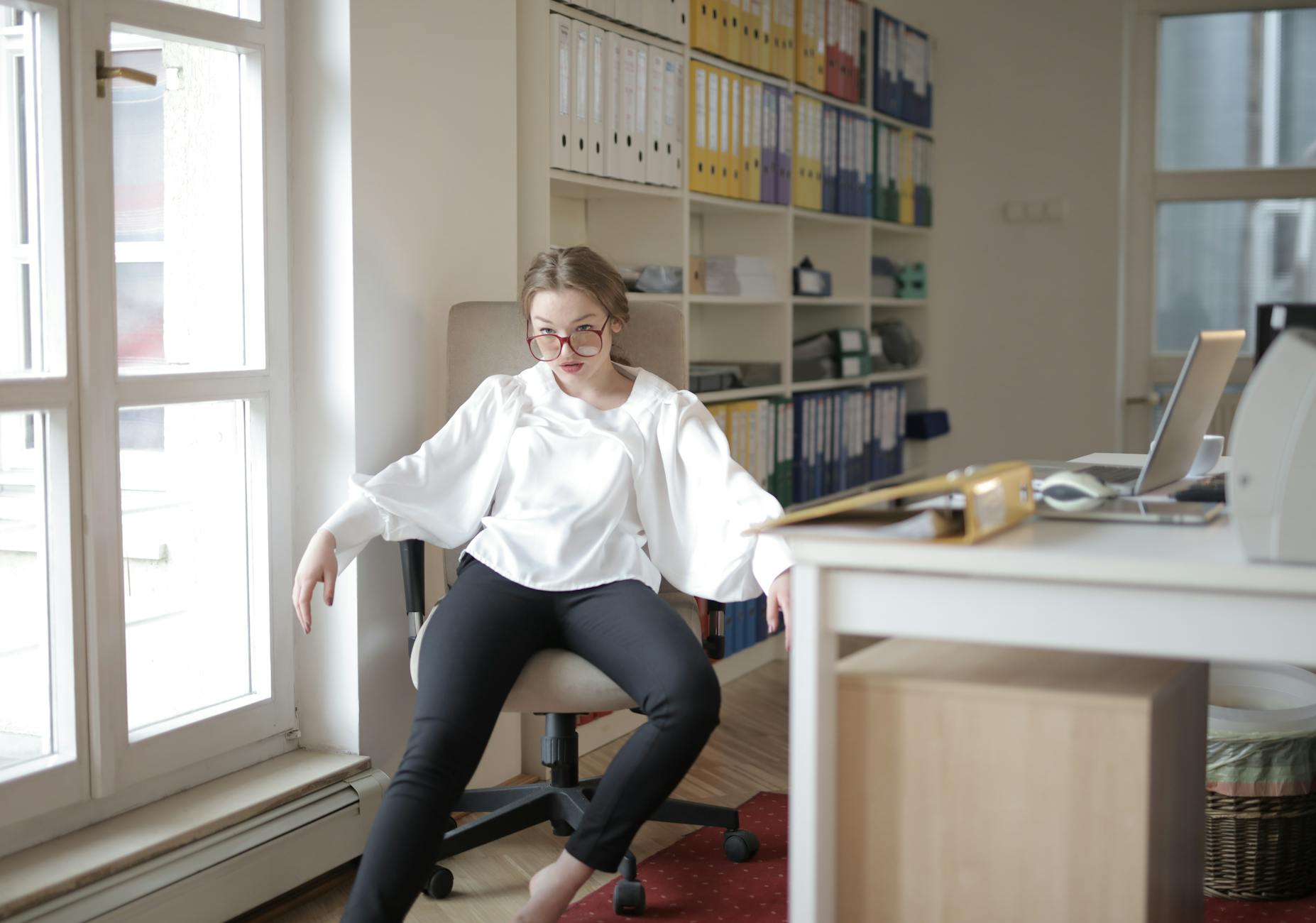
Photo by Andrea Piacquadio on Pexels
Introduction to the Dangers of Sitting All Day
As a professional, you're likely no stranger to spending long hours at your desk, staring at a screen, and typing away on your keyboard. But have you ever stopped to think about the potential health risks associated with sitting all day? If not, it's time to take a closer look. Prolonged sitting has been linked to a range of serious health problems, from obesity and diabetes to heart disease and even certain types of cancer. In this beginner's guide, we'll explore the health risks of sitting all day and provide you with practical tips and strategies for reducing your risk.Understanding the Health Risks of Sitting
Sitting all day can have a significant impact on your physical and mental health. Some of the most significant health risks associated with prolonged sitting include:- Obesity: Sitting for long periods can lead to a slower metabolism, which can contribute to weight gain and obesity.
- Diabetes: Regularly sitting for more than 4 hours a day can increase your risk of developing type 2 diabetes.
- Heart disease: Prolonged sitting has been linked to an increased risk of heart disease, including high blood pressure, heart attacks, and strokes.
- Cancer: Some studies have suggested that prolonged sitting may increase the risk of certain types of cancer, including colon, breast, and uterine cancer.
- Mental health: Sitting all day can also have a negative impact on your mental health, leading to increased stress, anxiety, and depression.
# The Science Behind Prolonged Sitting
So, why is sitting all day so bad for our health? The answer lies in the way our bodies are designed to function. When we're sitting, our muscles are not working as hard as they would be if we were standing or moving. This can lead to a range of problems, including:- Reduced blood flow: Sitting can cause blood to pool in your legs, which can lead to swelling, pain, and poor circulation.
- Slower metabolism: When we're sitting, our metabolism slows down, which can lead to weight gain and other health problems.
- Increased inflammation: Prolonged sitting has been linked to increased inflammation in the body, which can contribute to a range of chronic diseases.
Real-Life Examples of the Dangers of Sitting
You don't have to look far to see the dangers of sitting all day in action. For example:- A study of office workers in Australia found that those who sat for more than 4 hours a day were more likely to experience depression and anxiety.
- A study of truck drivers in the United States found that those who spent more time sitting were more likely to experience health problems, including obesity and diabetes.
- A study of call center workers in the United Kingdom found that those who sat for more than 6 hours a day were more likely to experience back pain and other musculoskeletal problems.
# Taking Action to Reduce Your Risk
The good news is that there are many things you can do to reduce your risk of health problems associated with sitting all day. Some strategies include:- Taking regular breaks: Try to get up and move around every 30-60 minutes to reduce your risk of health problems.
- Using a standing desk: Consider using a standing desk or adjustable desk to allow you to switch between sitting and standing throughout the day.
- Incorporating physical activity: Try to incorporate more physical activity into your daily routine, such as taking a walk during your lunch break or doing a few jumping jacks during commercial breaks while watching TV.
Practical Tips for Reducing Your Sitting Time
Here are some practical tips for reducing your sitting time and improving your overall health:- Start small: Begin by taking short breaks to stand up and move around every 30-60 minutes.
- Schedule it in: Treat physical activity as a non-negotiable part of your daily routine, just like brushing your teeth or taking a shower.
- Find an exercise buddy: Having someone to hold you accountable and share the experience with can make physical activity more enjoyable and help you stick to your routine.
- Mix it up: Try to incorporate a variety of different physical activities into your routine, such as walking, running, swimming, or cycling.
- Make it fun: Find physical activities that you enjoy and that make you feel good, whether that's dancing, hiking, or playing sports.
# Using Technology to Your Advantage
There are many tools and technologies available that can help you reduce your sitting time and improve your overall health. For example:- Mobile apps: Apps like Stand Up! and Move can remind you to take breaks and track your physical activity throughout the day.
- Wearable devices: Devices like Fitbits and Apple Watches can track your physical activity and provide you with feedback and motivation to move more.
- Desk alerts: Some computer programs and software can remind you to take breaks and move around throughout the day.
Creating a Healthy Work Environment
If you're an employer or manager, there are many things you can do to create a healthy work environment that encourages physical activity and reduces sitting time. Some strategies include:- Providing standing desks or adjustable desks: Consider providing standing desks or adjustable desks to allow employees to switch between sitting and standing throughout the day.
- Creating a wellness program: Develop a wellness program that encourages physical activity and provides incentives for employees to participate.
- Encouraging breaks: Encourage employees to take regular breaks to move around and stretch throughout the day.
- Providing on-site fitness classes: Consider providing on-site fitness classes or workshops to help employees get more physical activity during the workday.
# Making it a Priority
Reducing sitting time and increasing physical activity should be a priority for everyone, regardless of their job or lifestyle. By making a few simple changes to your daily routine, you can reduce your risk of health problems and improve your overall well-being. Remember, it's all about making healthy choices and finding ways to incorporate more physical activity into your daily routine.Conclusion
Sitting all day can have serious health consequences, from obesity and diabetes to heart disease and certain types of cancer. But by understanding the risks and taking action to reduce your sitting time, you can improve your overall health and well-being. Remember to take regular breaks, incorporate physical activity into your daily routine, and use technology to your advantage. By making a few simple changes, you can reduce your risk of health problems and live a healthier, happier life. So why not get started today? Take a stand, literally, and start moving towards a healthier tomorrow.Additionally, here is some sample Python code that you can use to create a simple reminder to stand up and move around: ```python import time import datetime
def stand_up_reminder(): print("Stand up and move around!") time.sleep(60) # wait for 1 minute stand_up_reminder()
stand_up_reminder() ``` This code will print "Stand up and move around!" every minute, reminding you to take a break and move around. You can modify the code to fit your specific needs and preferences.
In terms of next steps, consider the following:
- Consult with a healthcare professional before starting any new exercise program.
- Start slowly and gradually increase your physical activity over time.
- Find a workout buddy or accountability partner to help you stay motivated.
- Track your progress and celebrate your successes along the way.
Post a Comment