
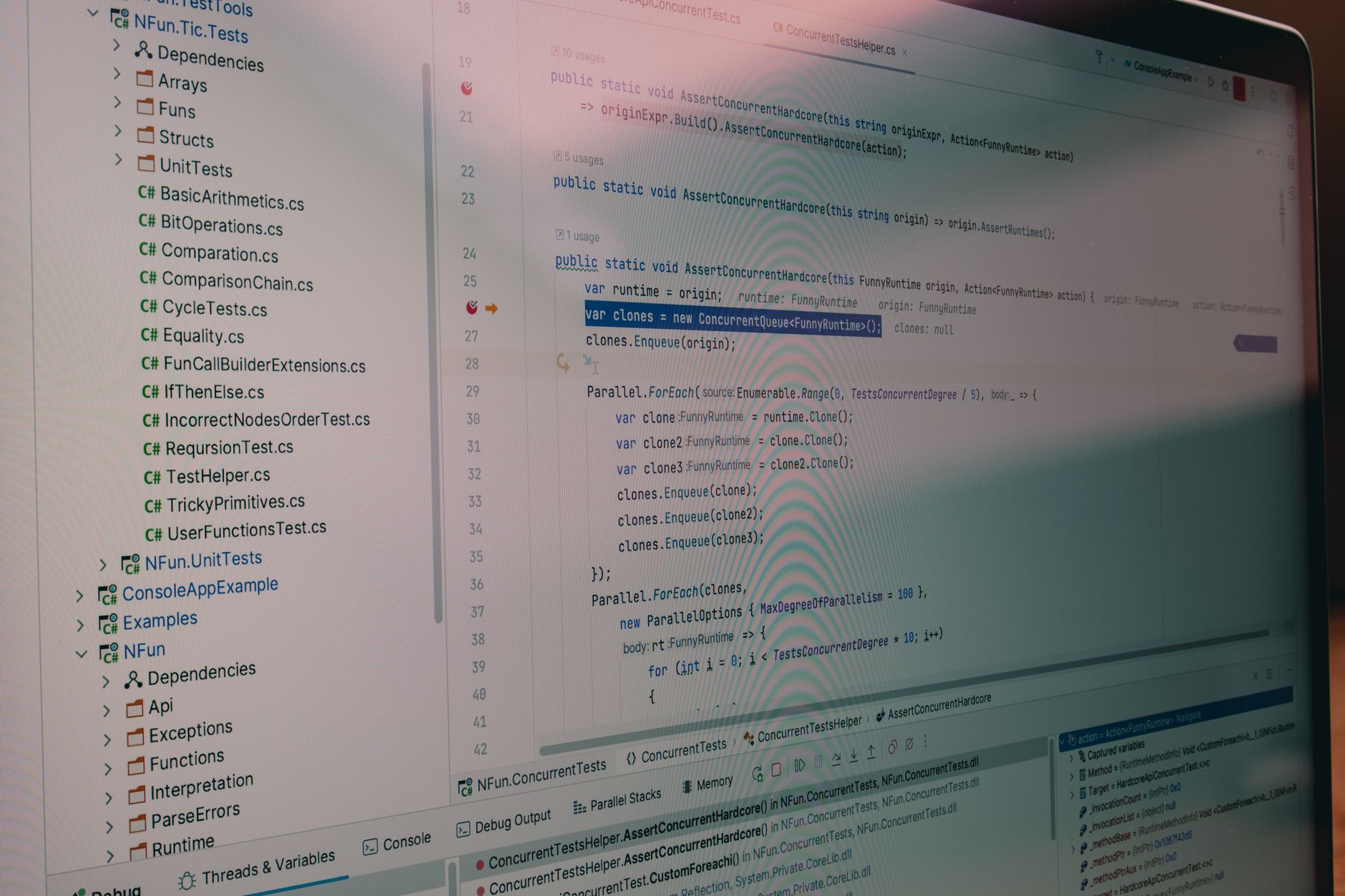
Photo by Daniil Komov on Pexels
Introduction to Code Review Best Practices
As a developer, you understand the importance of writing clean, efficient, and well-documented code. However, even with the best intentions, it's easy to overlook small mistakes or areas for improvement. This is where code reviews come in – a crucial step in the development process that involves reviewing and discussing code with your peers. In this article, we'll explore the pros and cons of code review best practices, providing you with a comprehensive guide to implementing effective code reviews in your team.# What is a Code Review?
A code review is a process where a developer's code is reviewed by one or more peers to ensure it meets the team's standards and coding conventions. The goal of a code review is to improve the quality of the code, identify potential issues, and provide feedback to the developer. Code reviews can be done manually or using automated tools, and they can be performed at various stages of the development process.Pros of Code Review Best Practices
Code review best practices offer numerous benefits, including:- Improved Code Quality: Code reviews help ensure that the code is clean, efficient, and well-documented. By reviewing code, developers can identify areas for improvement and provide feedback to the author.
- Reduced Bugs and Errors: Code reviews can help identify potential bugs and errors before they make it to production. This reduces the likelihood of downstream problems and saves time and resources in the long run.
- Knowledge Sharing and Learning: Code reviews provide an opportunity for developers to learn from each other and share knowledge. By reviewing code, developers can gain insight into new techniques, tools, and best practices.
- Standardization and Consistency: Code reviews help ensure that the codebase is consistent and adheres to the team's coding conventions. This makes it easier for developers to navigate and maintain the codebase.
- Improved Collaboration and Communication: Code reviews foster collaboration and communication among team members. By discussing code and providing feedback, developers can build stronger working relationships and improve their overall teamwork.
# Example of a Code Review
Let's consider an example of a code review. Suppose we have a developer who has written a function to calculate the average of a list of numbers: ```python def calculate_average(numbers): sum = 0 for number in numbers: sum += number return sum / len(numbers) ``` During the code review, a peer suggests that the function could be improved by using the built-in `sum` function and handling the case where the input list is empty: ```python def calculate_average(numbers): if not numbers: return 0 return sum(numbers) / len(numbers) ``` In this example, the code review helped improve the quality of the code by identifying an area for improvement and providing feedback to the author.Cons of Code Review Best Practices
While code review best practices offer numerous benefits, there are also some potential drawbacks to consider:- Time-Consuming: Code reviews can be time-consuming, especially for large and complex codebases. This can be a challenge for teams with tight deadlines and limited resources.
- Subjective Feedback: Code reviews can be subjective, and feedback may vary depending on the reviewer's perspective and experience. This can lead to confusion and frustration for the developer.
- Overly Critical Feedback: Code reviews can sometimes be overly critical, which can be discouraging for the developer. This can lead to a negative experience and reduce the effectiveness of the code review process.
- Lack of Standardization: Without clear coding conventions and standards, code reviews can be inconsistent and ineffective. This can lead to confusion and frustration among team members.
- Resistance to Feedback: Some developers may resist feedback or be defensive about their code. This can make the code review process challenging and less effective.
# Strategies for Overcoming the Cons
To overcome the potential drawbacks of code review best practices, teams can implement the following strategies:- Establish Clear Coding Conventions: Develop and communicate clear coding conventions and standards to ensure consistency and clarity.
- Provide Constructive Feedback: Encourage reviewers to provide constructive and actionable feedback that is focused on improving the code.
- Set Clear Expectations: Set clear expectations for the code review process, including the scope, timeline, and goals.
- Use Automated Tools: Use automated tools to streamline the code review process and reduce the workload.
- Foster a Positive Culture: Foster a positive and supportive culture that encourages collaboration, learning, and growth.
Best Practices for Code Reviews
To get the most out of code reviews, teams should follow these best practices:- Keep Code Reviews Small: Keep code reviews small and focused to ensure that they are manageable and effective.
- Use a Consistent Process: Use a consistent process for code reviews to ensure that they are fair, thorough, and effective.
- Provide Feedback: Provide feedback that is constructive, actionable, and focused on improving the code.
- Encourage Collaboration: Encourage collaboration and discussion among team members to ensure that code reviews are a team effort.
- Use Tools and Automation: Use tools and automation to streamline the code review process and reduce the workload.
# Tools for Code Reviews
There are many tools available to support code reviews, including:- GitHub Code Review: GitHub's code review tool allows teams to review and discuss code in a collaborative and transparent way.
- GitLab Code Review: GitLab's code review tool provides a comprehensive set of features for reviewing and discussing code.
- Crucible: Crucible is a code review tool that provides a robust set of features for reviewing and discussing code.
- Gerrit: Gerrit is a code review tool that provides a comprehensive set of features for reviewing and discussing code.
Conclusion
In conclusion, code review best practices offer numerous benefits, including improved code quality, reduced bugs and errors, and improved collaboration and communication. However, there are also potential drawbacks to consider, such as time-consuming reviews, subjective feedback, and resistance to feedback. By establishing clear coding conventions, providing constructive feedback, and fostering a positive culture, teams can overcome these challenges and get the most out of code reviews. By following best practices and using tools and automation, teams can ensure that their code reviews are effective, efficient, and productive.# Final Thoughts
Code reviews are an essential part of the development process, and by implementing best practices and using the right tools, teams can ensure that their code reviews are successful. Remember to keep code reviews small and focused, use a consistent process, and provide feedback that is constructive and actionable. By doing so, teams can improve the quality of their code, reduce bugs and errors, and foster a positive and collaborative culture. With the right approach and mindset, code reviews can be a valuable and productive part of the development process.# Actionable Tips
To get started with code reviews, here are some actionable tips:- Start small and focus on a specific area of the codebase.
- Establish clear coding conventions and standards.
- Provide constructive and actionable feedback.
- Use tools and automation to streamline the code review process.
- Foster a positive and collaborative culture.
Post a Comment