
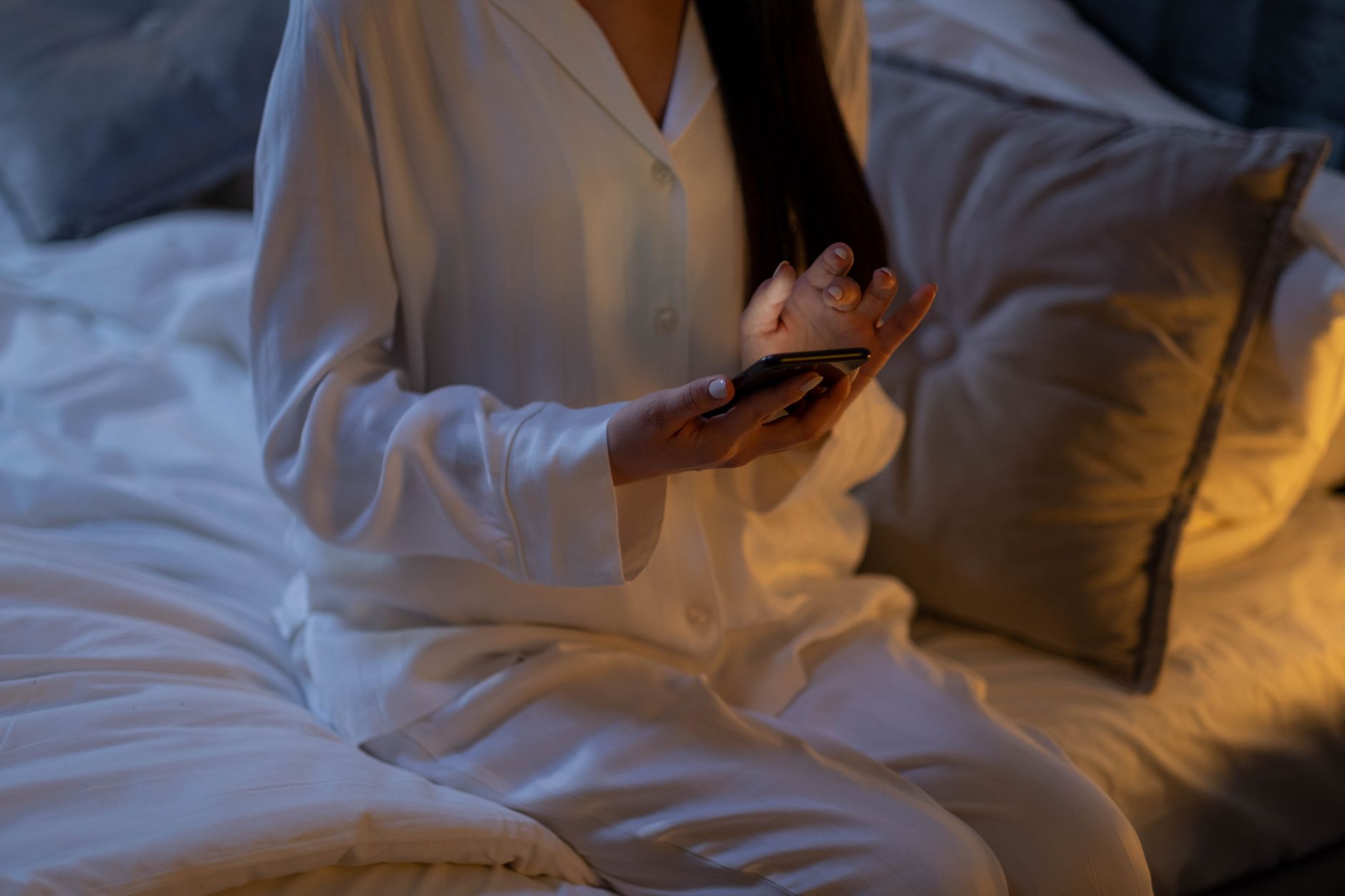
Photo by cottonbro studio on Pexels
Introduction to Blue Light and Sleep
As we continue to rely on digital devices for both work and leisure, it's becoming increasingly important to understand the impact that blue light can have on our sleep patterns. If you're someone who spends a lot of time staring at screens, whether it's for work, scrolling through social media, or binge-watching your favorite TV shows, you may have noticed that it can be difficult to fall asleep at night. This is because the blue light emitted by these devices can interfere with our body's natural sleep-wake cycle, also known as our circadian rhythm.In this quick start guide, we'll take a closer look at the relationship between blue light and sleep, and provide you with some practical tips and advice for minimizing the negative effects of blue light on your sleep. Whether you're looking to improve the quality of your sleep, or simply want to learn more about the impact of blue light on your health, this guide is for you.
What is Blue Light?
Before we dive into the specifics of how blue light affects sleep, let's take a step back and look at what blue light actually is. Blue light is a type of high-energy visible (HEV) light that is emitted by digital devices such as smartphones, tablets, computers, and televisions. It's called blue light because it has a higher frequency and shorter wavelength than other types of light, which gives it a blue appearance.Blue light is all around us, and it's not just limited to digital devices. It's also present in natural sunlight, although the amount of blue light emitted by the sun varies depending on the time of day and the atmosphere. However, the amount of blue light emitted by digital devices is typically much higher than the amount present in natural sunlight.
# How Blue Light Affects Sleep
So, how does blue light affect sleep? The answer lies in the way that blue light interacts with our body's natural sleep-wake cycle. Our circadian rhythm is regulated by a small group of cells in the brain called the suprachiasmatic nucleus (SCN). The SCN responds to light and dark signals from the environment to synchronize our bodily functions with the 24-hour day-night cycle.When we're exposed to blue light in the evening, it can trick our brain into thinking that it's still daytime. This can cause our SCN to delay the production of melatonin, the hormone that regulates sleep. As a result, we may feel more alert and awake, making it difficult to fall asleep.
- Blue light exposure can suppress melatonin production by up to 55%
- The effects of blue light on sleep can last for several hours after exposure
- Blue light can also disrupt our sleep patterns by reducing the amount of deep sleep and rapid eye movement (REM) sleep we get
The Impact of Blue Light on Sleep Quality
The impact of blue light on sleep quality can be significant. Studies have shown that exposure to blue light in the evening can lead to:- Difficulty falling asleep
- Reduced sleep duration
- Poor sleep quality
- Increased risk of sleep disorders such as insomnia and sleep apnea
- Increased risk of obesity and diabetes
- Higher risk of cardiovascular disease
- Reduced cognitive function and memory
# Minimizing the Effects of Blue Light on Sleep
So, what can you do to minimize the effects of blue light on your sleep? Here are some practical tips and advice:- Use blue light filtering glasses or apps: There are a range of blue light filtering glasses and apps available that can help to block or filter out blue light from digital devices. Some popular options include f.lux, Iris, and Blue Light Filter.
- Adjust the display settings on your devices: Many devices allow you to adjust the display settings to reduce the amount of blue light emitted. For example, you can adjust the color temperature of your screen to a warmer tone, or use a feature such as Night Shift on your iPhone or iPad.
- Use dim red lights: Dim red lights can help to reduce the amount of blue light in your environment, making it easier to fall asleep. You can use dim red lights in your bedroom, or use a nightlight with a red bulb.
- Avoid screens for at least an hour before bedtime: Try to avoid using digital devices for at least an hour before bedtime. Instead, read a book, listen to music, or practice relaxation techniques such as meditation or deep breathing.
Creating a Sleep-Conducive Environment
In addition to minimizing the effects of blue light, creating a sleep-conducive environment can also help to improve the quality of your sleep. Here are some tips for creating a sleep-friendly bedroom:- Make your bedroom a sleep sanctuary: Keep your bedroom cool, quiet, and dark. Consider using blackout curtains, earplugs, or a white noise machine to create a sleep-friendly environment.
- Invest in a comfortable mattress: A comfortable mattress can make a big difference to the quality of your sleep. Look for a mattress that provides the right level of support and comfort for your body.
- Use bedding that promotes sleep: Use bedding that promotes sleep, such as breathable sheets and a comfortable duvet. Avoid using bedding that is too hot or cold, as this can disrupt your sleep.
# Establishing a Bedtime Routine
Establishing a bedtime routine can also help to improve the quality of your sleep. A bedtime routine can help to signal to your brain that it's time to sleep, making it easier to fall asleep and stay asleep. Here are some tips for establishing a bedtime routine:- Develop a consistent sleep schedule: Go to bed and wake up at the same time every day, including weekends.
- Create a relaxing bedtime routine: Engage in relaxing activities before bed, such as reading a book, taking a warm bath, or practicing yoga or meditation.
- Avoid stimulating activities before bed: Avoid stimulating activities before bed, such as watching TV, playing video games, or engaging in intense conversations.
Conclusion
In conclusion, blue light can have a significant impact on our sleep patterns, making it difficult to fall asleep and stay asleep. By understanding the effects of blue light on sleep, and taking steps to minimize its impact, we can improve the quality of our sleep and reduce the risk of sleep disorders. By creating a sleep-conducive environment, establishing a bedtime routine, and avoiding screens before bed, we can take control of our sleep and wake up feeling rested and refreshed.Remember, it's all about making small changes to your daily routine that can add up to make a big difference to the quality of your sleep. By taking control of your sleep, you can improve your overall health and wellbeing, and wake up feeling ready to take on the day.
# Additional Resources
If you're looking for more information on blue light and sleep, here are some additional resources you may find useful:- American Academy of Sleep Medicine: The American Academy of Sleep Medicine is a great resource for information on sleep and sleep disorders.
- National Sleep Foundation: The National Sleep Foundation is a non-profit organization that provides information and resources on sleep and sleep health.
- Harvard Health Publishing: Harvard Health Publishing is a trusted source of health information, including information on sleep and sleep disorders.
Post a Comment