
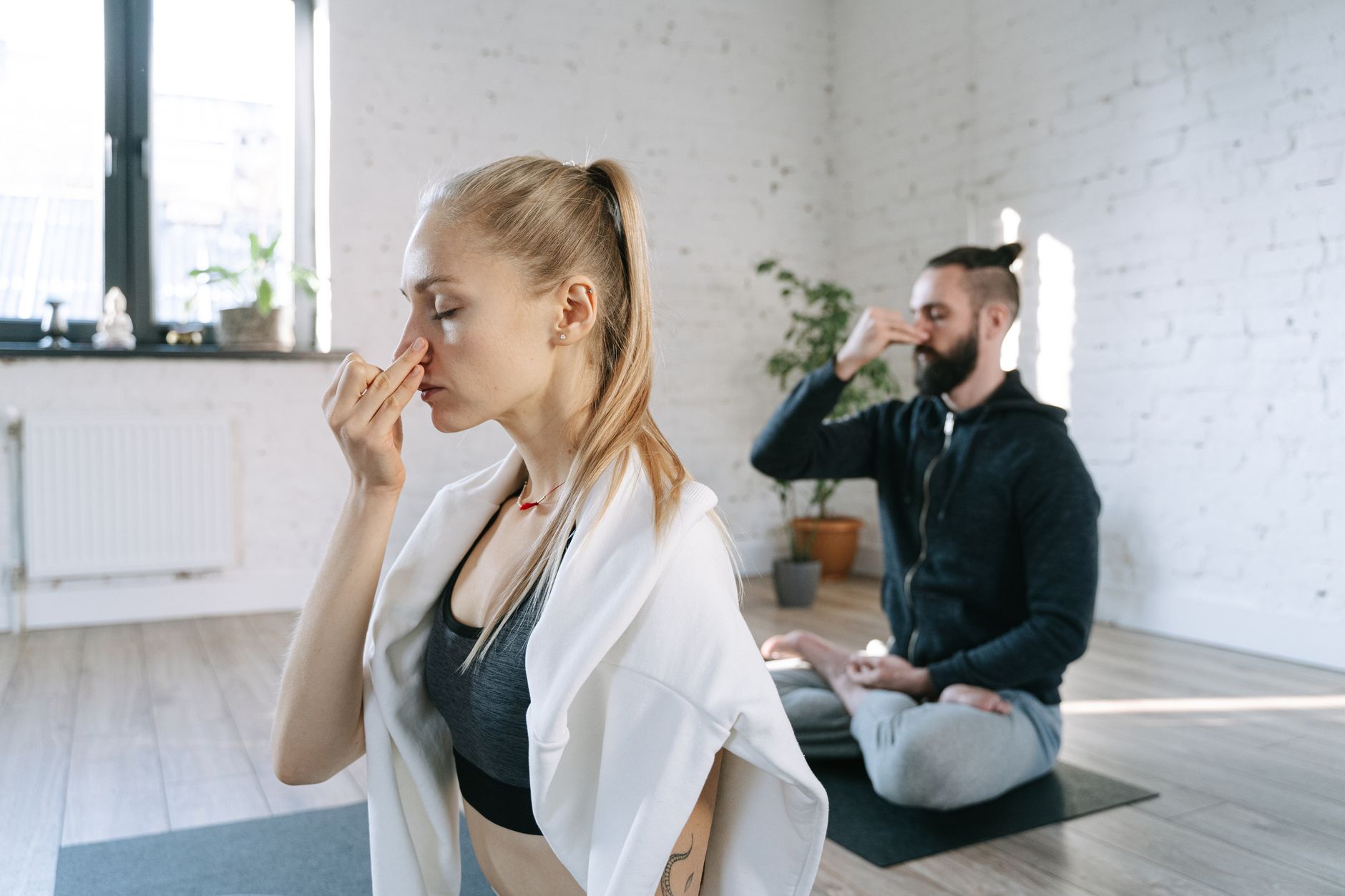
Photo by Ivan S on Pexels
Introduction to Anxiety Relief: Emerging Breathing Techniques for 2024
As we step into 2024, it's clear that the world is becoming increasingly fast-paced and stressful. Anxiety has become a common companion for many of us, affecting our mental and physical well-being. While traditional anxiety relief methods like meditation and yoga are still effective, new and innovative breathing techniques are emerging to help us cope with stress and anxiety. In this article, we'll explore the latest trends and predictions in breathing techniques for anxiety relief, providing you with practical tips and real examples to help you manage anxiety in the year ahead.Understanding Anxiety and Breathing
Before we dive into the emerging breathing techniques, it's essential to understand the relationship between anxiety and breathing. When we're anxious, our breathing pattern changes, becoming shallow and rapid. This can lead to a vicious cycle of anxiety, as our body's "fight or flight" response is triggered, releasing stress hormones like cortisol and adrenaline. By learning to control our breathing, we can calm our nervous system, reducing anxiety and promoting relaxation.# The Science Behind Breathing Techniques
Breathing techniques work by stimulating the parasympathetic nervous system (PNS), which promotes relaxation and reduces stress. The PNS is responsible for slowing down our heart rate, lowering blood pressure, and calming our mind. By activating the PNS, we can counterbalance the effects of stress and anxiety. There are several ways to stimulate the PNS, including:- Diaphragmatic breathing: also known as belly breathing, this technique engages the diaphragm, the primary muscle used for breathing.
- Box breathing: a technique that involves breathing in for a count of four, holding for a count of four, exhaling for a count of four, and holding again for a count of four.
- Alternate Nostril Breathing: a yoga breathing technique that involves closing one nostril and breathing in through the other, then switching to breathe out.
Emerging Breathing Techniques for 2024
As we look to the future, several emerging breathing techniques are gaining popularity for anxiety relief. These include:# 1. Holotropic Breathwork
Developed by Stanislav Grof, Holotropic Breathwork is a powerful technique that combines breathing with music and meditation to access non-ordinary states of consciousness. This technique has been shown to reduce anxiety and promote deep relaxation. To try Holotropic Breathwork, find a quiet and comfortable space to sit or lie down, and breathe rapidly and deeply for 20-30 minutes, allowing yourself to let go of any tension or resistance.# 2. Somatic Experiencing
Somatic Experiencing is a technique developed by Peter Levine that focuses on releasing physical tension stored in the body. By becoming aware of our bodily sensations and breathing patterns, we can release trauma and anxiety, promoting relaxation and well-being. To practice Somatic Experiencing, pay attention to your body's sensations, noticing any areas of tension or discomfort. Take slow, deep breaths, and as you exhale, allow any tension to release.# 3. Breathwave
Breathwave is a new technique that combines breathing with sound and vibration to create a meditative state. This technique uses a specialized device that emits a gentle, pulsing sound that synchronizes with the user's breathing, promoting deep relaxation and reducing anxiety. To try Breathwave, find a quiet space to sit or lie down, and breathe slowly and deeply, allowing the sound and vibration to guide your breath.Practical Tips for Incorporating Emerging Breathing Techniques into Your Daily Life
While emerging breathing techniques can be powerful tools for anxiety relief, it's essential to incorporate them into your daily life in a practical and sustainable way. Here are some tips to get you started:- Start small: begin with short sessions, 5-10 minutes a day, and gradually increase as you become more comfortable with the techniques.
- Find a quiet space: identify a quiet and comfortable space to practice your breathing techniques, free from distractions and interruptions.
- Be consistent: make breathing techniques a part of your daily routine, practicing at the same time each day.
- Experiment with different techniques: try out different emerging breathing techniques to find what works best for you.
- Seek guidance: consider working with a qualified practitioner or therapist to guide you in your practice.
- Using Holotropic Breathwork before a big meeting or presentation to calm your nerves and focus your mind.
- Practicing Somatic Experiencing after a workout or physical activity to release tension and promote relaxation.
- Using Breathwave before bed to wind down and prepare for sleep.
Case Studies: Real-Life Examples of Emerging Breathing Techniques in Action
To illustrate the effectiveness of emerging breathing techniques, let's look at some real-life examples:- A study published in the Journal of Alternative and Complementary Medicine found that Holotropic Breathwork significantly reduced anxiety and depression in patients with chronic pain.
- A case study published in the Journal of Traumatic Stress found that Somatic Experiencing helped a veteran overcome PTSD and anxiety, improving their overall quality of life.
- A pilot study on Breathwave found that participants experienced significant reductions in anxiety and stress, with improved mood and cognitive function.
Code Snippets for Breathing Techniques
While breathing techniques don't require code, there are some digital tools and apps that can help guide your practice. For example: ```python import timedef holotropic_breathwork(minutes): print("Start breathing rapidly and deeply") start_time = time.time() while time.time() - start_time < minutes * 60: time.sleep(1) print("Breathe in... breathe out...") print("Stop breathing and relax")
holotropic_breathwork(20) ``` This code snippet provides a simple guide for Holotropic Breathwork, prompting the user to breathe rapidly and deeply for a set amount of time.
Conclusion
As we look to the future, it's clear that emerging breathing techniques will play a significant role in anxiety relief. By incorporating these techniques into our daily lives, we can reduce stress and anxiety, promoting relaxation and well-being. Whether you're a seasoned practitioner or just starting out, there's never been a better time to explore the world of breathing techniques. So take a deep breath, and let's embark on this journey together.# Final Tips and Recommendations
- Be patient and consistent with your practice, as it may take time to notice the benefits.
- Experiment with different techniques to find what works best for you.
- Consider working with a qualified practitioner or therapist to guide you in your practice.
- Don't be afraid to try new things and step out of your comfort zone.
- Remember, breathing techniques are just one part of a comprehensive approach to anxiety relief – be sure to also prioritize self-care, exercise, and social connection.
Post a Comment